

Calgary-Shaw: The First Dress Rehearsal for 2027
By-elections in ridings won comfortably by the governing party are not normally expected to generate much suspense. Calgary-Shaw, however, is not simply filling an empty seat.
When voters head to the polls on September 14, they will participate in Alberta’s first electoral test since the province’s political environment became consumed by separatism and referendums. The vote will also arrive five weeks before Alberta’s October 19 referendum and just over a year before the next scheduled provincial election.
On paper, the United Conservative Party should retain the seat. The more important questions are how comfortably it does so and whether the NDP can demonstrate progress in suburban Calgary.
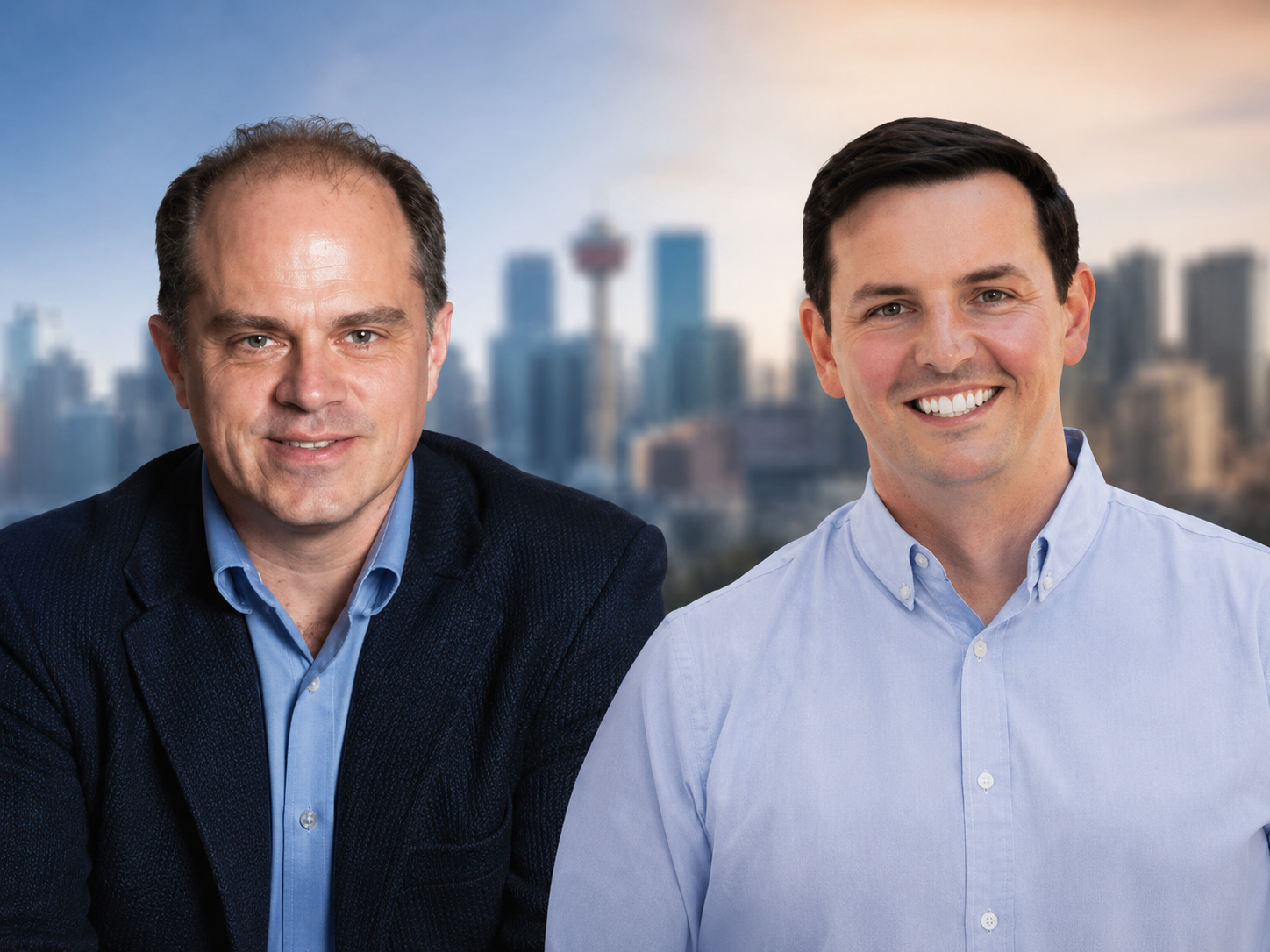
The current field includes UCP candidate Mike Derry, NDP candidate Kyle Campbell, and Progressive Tory Kyle Joseph.
A Conservative Riding, but Not an Untouchable One
Calgary-Shaw has favoured conservatives. The NDP’s lone victory came in 2015 by 101 votes, when the Progressive Conservatives and Wildrose vote split. Once the right united, the riding returned decisively to the conservative fold.
Former Environment Minister Rebecca Schulz won comfortably for the UCP in 2019. Four years later, however, the NDP increased its support and narrowed the margin. Calgary-Shaw remained conservative, but it was no longer politically dormant.
Schulz’s departure removes the advantage of a popular incumbent and lets both parties test their organizations in a growing suburban constituency that could help determine government in 2027.
For the UCP, Calgary-Shaw is part of its southern Calgary stronghold. For the NDP, it is the type of seat the party must eventually make competitive if it hopes to move beyond its Edmonton base and urban Calgary constituencies.
Mike Derry and the UCP’s Internal Test
Mike Derry enters the campaign with the advantages of representing the governing party, but his path to the nomination has already complicated the UCP’s effort to keep the by-election focused on conventional suburban issues.
Derry defeated Ward 13 Calgary councillor Dan McLean in a competitive nomination contest, winning by 286 to 221. The result was not the outcome many political observers expected. McLean, as a sitting municipal politician with an established public profile, was widely viewed as the more conventional candidate for a riding that tends to lean conservative but has also demonstrated a moderate streak.
Derry’s victory instead reflected the power that constituency association members continue to exercise inside the UCP. That is not necessarily a weakness. A party that presents itself as grassroots-driven should expect members to occasionally reject the candidate favoured by political insiders. However, nomination democracy can also create broader communications challenges once the successful candidate must appeal beyond the party membership.
The NDP immediately seized on Derry’s political associations. His nomination campaign was managed by Craig Chandler, a longtime conservative activist known for controversial positions, and received support from Darrell Komick, who previously sought the UCP presidency as part of a pro-independence slate. The Opposition branded Derry an “extremist” and demanded that he clearly state whether he supports Alberta separation.
Those relationships are politically relevant, particularly with the by-election occurring five weeks before the provincial referendum. The material released by the NDP does not establish that Derry has personally supported separation. It does, however, give the party an opening to make his judgment and political alliances part of the campaign.
Derry’s own public message has been considerably more conventional. He operates a talent agency and human-resources consultancy and previously worked for Telus and Canadian Natural Resources. He has emphasized his community roots, listening to residents and ensuring Calgary-Shaw has “a strong voice in government.” Smith has similarly framed him around lower taxes, public safety and job creation.
The safest way for Derry to neutralize the NDP’s attack would be to answer the separation question directly. A clear declaration that he supports Alberta remaining in Canada would allow him to redirect the race toward health care, schools, affordability and economic growth. Any ambiguity will let the NDP continue using his supporters as a proxy for his own beliefs.
What the UCP Must Prove
The UCP’s first objective is straightforward: win the seat.
A defeat would be a major political shock. It would raise immediate questions about whether Smith’s government is losing suburban Calgary and give the NDP momentum heading into the referendum campaign.
A narrow victory would be less dramatic, but still uncomfortable. If the margin contracts significantly from 2023, the result would suggest constituencies once treated as safely conservative are becoming competitive.
The UCP will want a routine result. A comfortable Derry victory would show that, despite disputes over separatism, health care, and Canada-US relations, the UCP can still consolidate conservative voters.
What the NDP Must Prove
The burden facing the NDP is more complicated.
Campbell can improve on past NDP performances without winning. A close result would allow the party to argue that suburban Calgary is shifting and that Nenshi’s familiarity with the city is expanding its reach.
But the NDP cannot define progress indefinitely as losing by less.
Nenshi has announced that he will leave Edmonton-Strathcona and seek a Calgary seat in 2027. His reasoning was direct: the party must win more Calgary constituencies to form government. Calgary-Shaw is the first opportunity to test that theory under real campaign conditions.
The riding is not among the NDP’s easiest Calgary targets, but that is why the result matters. To form government, the party cannot depend only on Edmonton and inner-city Calgary. It must persuade voters in communities such as Shawnessy, Somerset, Chaparral, Silverado, Walden and Legacy that it can be trusted with the economy as well as public services.
If Campbell comes close or wins, the NDP’s path through Calgary will look more credible. If the UCP retains the seat by another comfortable double-digit margin, it will suggest favourable polling and Nenshi’s profile do not automatically translate into votes in the southern suburbs.
The Referendum Enters the Riding
The by-election’s timing makes it impossible to separate entirely from the October referendum.
The NDP will try to connect the UCP candidate to separatist elements within the governing coalition and make national unity part of the local choice. The UCP will shift the discussion toward pipelines, jobs, investment and which party can more credibly defend Alberta’s economic interests.
That contrast previews the referendum campaign. The NDP wants voters thinking about uncertainty and separatist influence inside the UCP. The governing party wants them thinking about Alberta’s leverage within Canada and the risks of entrusting the economy to New Democrats.
Local concerns may prove more important. Schools, emergency-room waits and tariffs are more immediate than constitutional theory. Still, national unity will remain in the background.
A Result Worth Reading Carefully
Calgary-Shaw is not a microcosm of Alberta. By-elections produce unusual turnout, local candidates matter, and voters sometimes use them to register dissatisfaction without changing the government.
Still, the result will offer useful evidence.
Derry’s margin will show whether the UCP can consolidate suburban Calgary. Campbell’s share will indicate whether NDP growth is reaching communities it must win in 2027.
The UCP should win Calgary-Shaw. That expectation is itself part of the test.
A decisive victory would reinforce the government’s resilience and confirm southern Calgary remains difficult territory for the NDP. A close race would suggest the next election may be decided in constituencies once considered reliably conservative.
The by-election will not tell Albertans who will form government in October 2027. It will, however, provide the first live rehearsal, revealing which messages travel, which coalitions hold and how secure the UCP’s south Calgary firewall really is.